

Contents
Pariet tablets 5 mg are an acid secretion suppressant. They potently reduce gastric acid secretion and mitigate its harmful effects. As a result, they promote healing of gastric ulcers and gastroesophageal reflux disease (GERD) and relieve stomach pain and heartburn. They are also effective for gastric ulcers caused by aspirin or nonsteroidal anti-inflammatory drugs (NSAIDs). In addition, they are used as part of eradication therapy for Helicobacter pylori, the bacterium responsible for various gastric lesions including gastritis and peptic ulcers. In this use, Pariet is combined with two other antibiotics; reducing gastric acid enhances the efficacy of the antibiotics and increases eradication success rates. Efficacy
It suppresses gastric acid secretion by inhibiting the acid-secreting mechanism of gastric mucosal cells. As a result, it promotes rapid healing of gastric and duodenal ulcers and relieves pain and heartburn associated with gastroesophageal reflux disease. It is commonly used to treat gastric ulcers, duodenal ulcers, and GERD, and as an adjunct in Helicobacter pylori eradication therapy. It is also used to prevent recurrence of gastric or duodenal ulcers during low‑dose aspirin therapy.
Usage
[Gastric ulcer, duodenal ulcer, postoperative anastomotic ulcer, Zollinger–Ellison syndrome]:
Usual adult dose: 10 mg (as the active ingredient) once daily. May be increased to 20 mg once daily depending on condition.
Duration: up to 8 weeks for gastric and anastomotic ulcers; up to 6 weeks for duodenal ulcers. [Gastroesophageal reflux disease (GERD)]:
(Treatment): Usual adult dose: 10 mg once daily; may be increased to 20 mg once daily depending on condition. Duration: up to 8 weeks.
For GERD inadequately controlled with a proton pump inhibitor (PPI): 10 mg or 20 mg twice daily for an additional 8 weeks. The 20 mg twice‑daily regimen is reserved for severe mucosal injury.
(Maintenance therapy): For recurrent GERD, 10 mg once daily. For maintenance in GERD inadequately controlled by a PPI, 10 mg twice daily. [Non‑erosive gastroesophageal reflux disease (NERD)]:
Usual adult dose: 10 mg once daily. Duration: up to 4 weeks. [Prevention of recurrence of gastric or duodenal ulcers in patients receiving low‑dose aspirin]:
Usual adult dose: 5 mg once daily; if insufficient, 10 mg once daily. [Adjunctive therapy for Helicobacter pylori eradication]:
Usual adult regimen: 10 mg twice daily concomitantly with amoxicillin hydrate and clarithromycin for 7 days. If eradication fails, 10 mg twice daily concomitantly with amoxicillin hydrate and metronidazole for 7 days.
- Each tablet contains 5 mg of the active ingredient.
- Always follow the prescribed administration method.
- Swallow tablets whole; do not chew or crush.
- If you miss a dose, take it as soon as you remember. If it is nearly time for the next dose, skip the missed dose and take the next scheduled dose. Do not take two doses at once.
- If an overdose is suspected, consult a physician or pharmacist.
- Do not discontinue treatment without your physician’s instruction.
Internal capacity
100 tablets
<Warning>
- History of allergic reactions (e.g., itching, rash) to any drugs or foods.
- Presence of liver disorder.
- Pregnancy or breastfeeding.
- Concurrent use of other medications or products (including OTC medicines and foods) — these may increase or decrease the effects of this drug; please take care and inform your healthcare provider.
The main adverse reactions reported include rash, urticaria, pruritus, diarrhea, soft stools, taste disturbances, abdominal pain, abdominal bloating, and constipation. If you notice any of these symptoms, consult your physician or pharmacist.
Rarely, the following symptoms may occur and could represent early signs of the adverse reactions indicated in brackets. If you experience any of these, discontinue use and seek immediate medical attention.
- Shortness of breath, urticaria, dizziness [shock, anaphylaxis]
- Fever, anemia, gum bleeding or subcutaneous bleeding [pancytopenia, agranulocytosis, thrombocytopenia, hemolytic anemia]
- Generalized fatigue, loss of appetite, yellowing of the skin or the whites of the eyes [fulminant hepatitis, hepatic dysfunction, jaundice]
- Fever, dry cough, shortness of breath [interstitial pneumonia]
- Fever, widespread red rash, erosions of the eyes, mouth, or genital area [Stevens–Johnson syndrome, toxic epidermal necrolysis, erythema multiforme]
- Decreased urine output, edema, fever [acute renal injury, interstitial nephritis]
- Nausea or vomiting, seizures, headache, impaired consciousness [hyponatremia]
- Muscle pain, weakness, dark red‑brown urine [rhabdomyolysis]
- Visual disturbances [visual impairment]
- Delirium, abnormal behavior, anxiety [confusional state]
These lists are not exhaustive. If you experience any other worrying symptoms, consult your physician or pharmacist.
Ingredients
[Active ingredient]
Each tablet contains 5 mg of rabeprazole sodium.
[Excipients]
Ethylcellulose, yellow iron oxide, carnauba wax, carmellose calcium, glycerol fatty acid esters, titanium dioxide, magnesium oxide, magnesium stearate, talc, low‑substituted hydroxypropylcellulose, hydroxypropylcellulose, hypromellose phthalate, D‑mannitol.


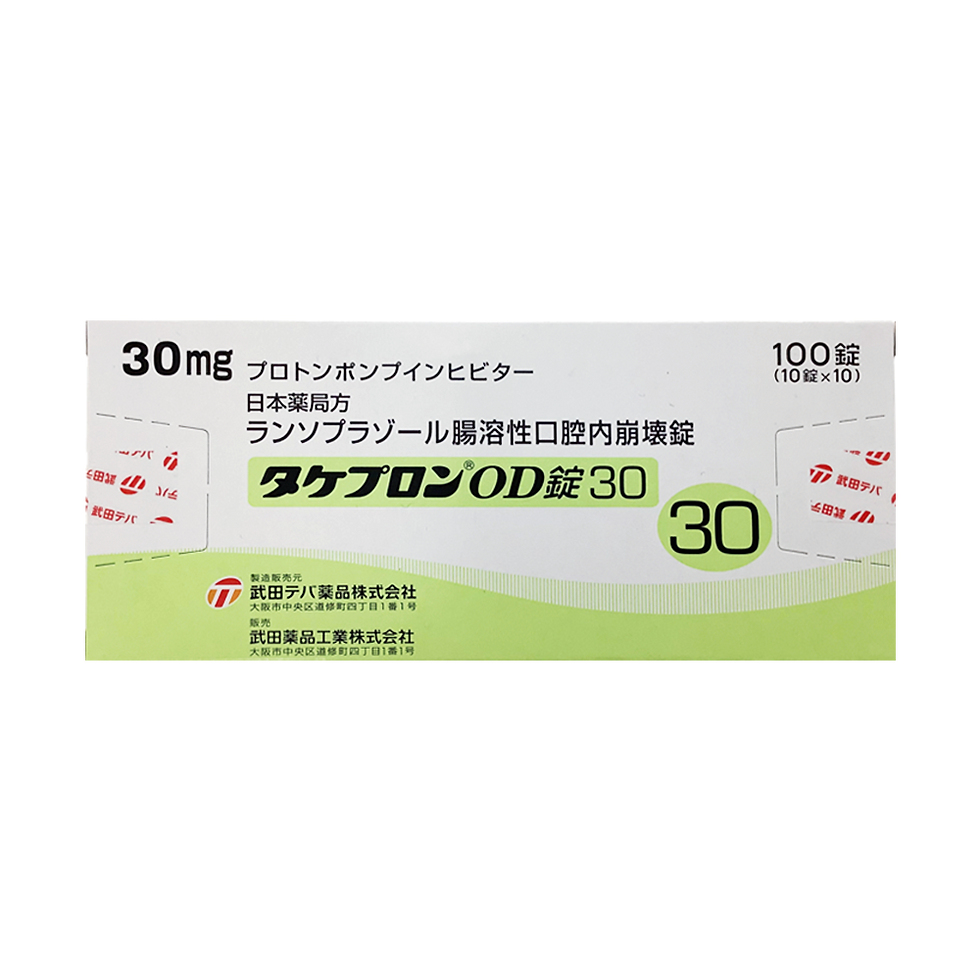


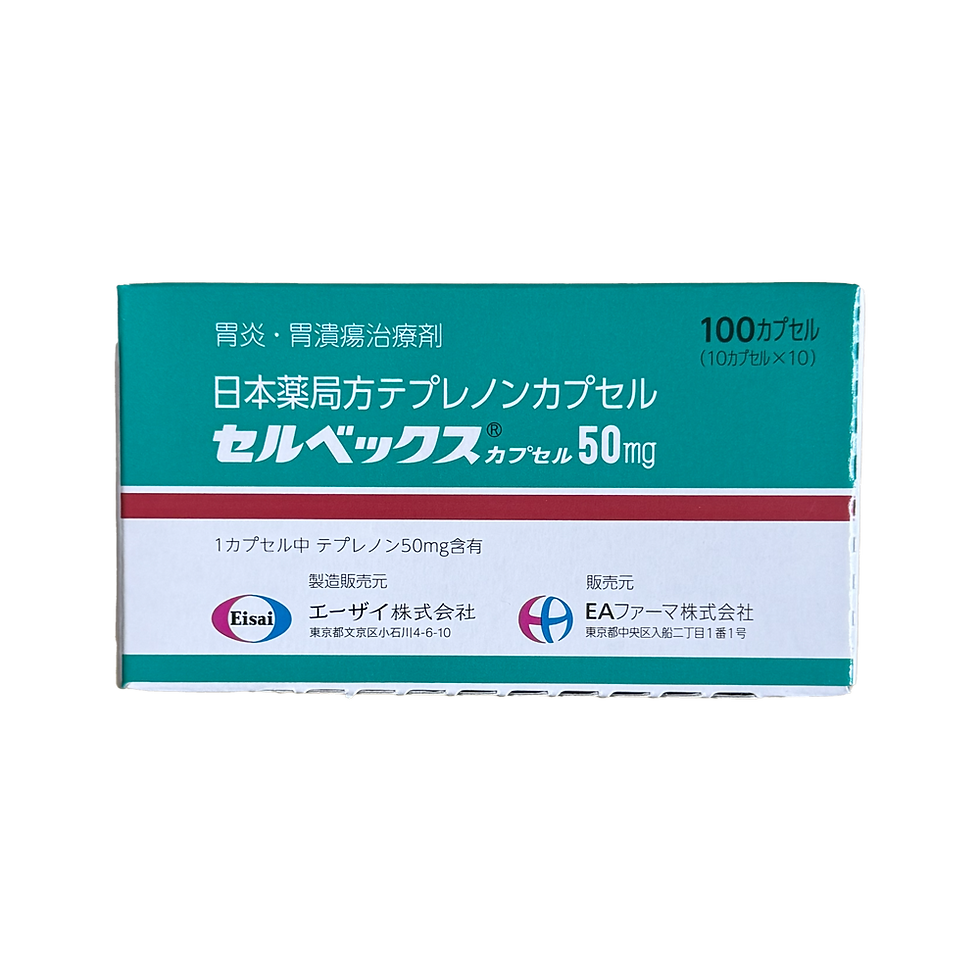


![Image of the PTP (blister) sheet for RABEPRAZOLE Na Tablets [SAWAI] 5 mg](https://static.wixstatic.com/media/46a90a_f7e5297d7442478eaf52a46f49a17585~mv2.png/v1/fill/w_980,h_980,al_c,q_90,usm_0.66_1.00_0.01,enc_avif,quality_auto/46a90a_f7e5297d7442478eaf52a46f49a17585~mv2.png)
![Image of the box (100 tablets) of RABEPRAZOLE Na Tablets [SAWAI] 10 mg](https://static.wixstatic.com/media/f40bcd_9d854aa59d6d436194727e954f3621d6~mv2.png/v1/fill/w_980,h_980,al_c,q_90,usm_0.66_1.00_0.01,enc_avif,quality_auto/f40bcd_9d854aa59d6d436194727e954f3621d6~mv2.png)
![Image of the PTP (blister) sheet for RABEPRAZOLE Na Tablets [SAWAI] 10 mg](https://static.wixstatic.com/media/46a90a_a1f444121f2d474ebbde32d04ea1893c~mv2.png/v1/fill/w_980,h_980,al_c,q_90,usm_0.66_1.00_0.01,enc_avif,quality_auto/46a90a_a1f444121f2d474ebbde32d04ea1893c~mv2.png)
![Image of the PTP (blister) sheet for RABEPRAZOLE Na Tablets [SAWAI] 20 mg](https://static.wixstatic.com/media/46a90a_8ca4a73ef7fa41fd974b609913a0db27~mv2.png/v1/fill/w_980,h_980,al_c,q_90,usm_0.66_1.00_0.01,enc_avif,quality_auto/46a90a_8ca4a73ef7fa41fd974b609913a0db27~mv2.png)

